

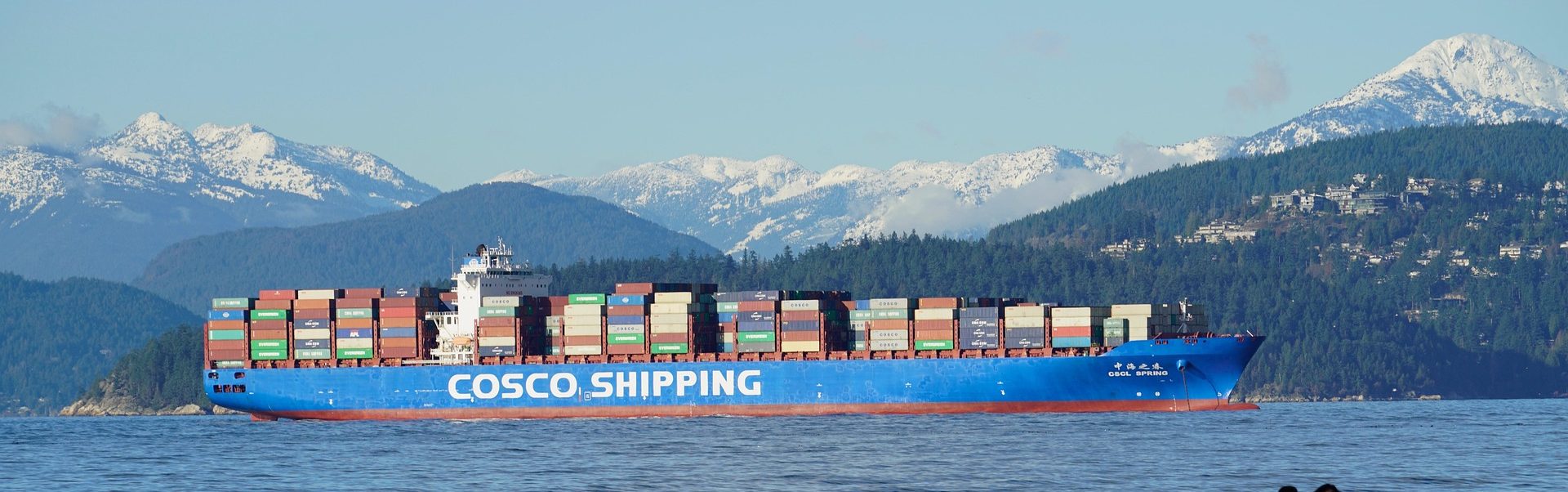
If you’ve ever looked at a product on a shelf and thought, “How did this get here?”—you’re already thinking like someone in international trade.
International trade is one of those careers that’s everywhere, but not always obvious. It’s the behind-the-scenes world of moving goods across borders, coordinating suppliers, managing paperwork, tracking shipments, and making sure everything arrives on time (and legally).
And if you’re in Greater Vancouver, you’re in a pretty interesting place to explore it. With major ports, busy logistics networks, and companies importing and exporting every day, trade-related roles show up across industries—from retail and manufacturing to food, tech, and healthcare supplies.
So what does an international trade career actually look like? What jobs can you aim for as a beginner? And how can a certificate program help you get job-ready faster?
Let’s break it down.
Why international trade matters in Greater Vancouver
Greater Vancouver is a gateway city. Goods move in and out constantly—by ship, truck, rail, and air. That creates a steady need for people who can handle the coordination work that keeps trade flowing.
International trade isn’t just “shipping.” It’s a mix of:
- Logistics and transportation
- Purchasing and supplier communication
- Documentation and compliance
- Customer service and coordination
- Problem-solving when things change (because they always do)
If you like the idea of a career that’s practical, fast-paced, and connected to real-world business, trade is worth a serious look.
What entry-level international trade jobs look like
A lot of students assume they need years of experience to get into trade. In reality, many roles are designed for people who are organized, detail-oriented, and ready to learn.
Here are common entry-level or early-career job titles you’ll see in and around Vancouver:
1) Logistics Coordinator / Shipping Coordinator
You’re helping plan shipments, track deliveries, communicate with carriers, and keep everything organized. You’ll likely work with schedules, invoices, and shipping documents.
2) Import/Export Assistant
This role is often paperwork-heavy (in a good way, if you like being thorough). You may help prepare documents, support customs processes, and coordinate with vendors.
3) Supply Chain Assistant / Procurement Assistant
You support purchasing and supplier coordination—things like purchase orders, follow-ups, and tracking what’s coming in.
4) Customer Service / Operations Support (Trade-related)
Many trade careers start in operations support. You’re the person connecting the dots between customers, warehouses, carriers, and internal teams.
5) Freight Forwarding Assistant
Freight forwarders coordinate shipments for clients. Entry-level roles can be a great way to learn the flow of trade quickly because you see lots of shipment types and scenarios.
The big theme: these jobs reward people who are reliable, organized, and calm under pressure.
The skills you’ll actually use (and how to know if this fits you)
International trade is a great fit if you like structure—but you don’t mind a little chaos.
Here are the real-world skills that matter most:
Communication that’s clear (not fancy)
You’ll send a lot of emails. You’ll follow up. You’ll confirm details. You’ll clarify misunderstandings. If you can communicate clearly and professionally, you’re already ahead.
Attention to detail
Trade involves documents, dates, quantities, addresses, and codes. Small mistakes can cause delays or extra costs, so detail matters.
Comfort with spreadsheets and systems
You don’t need to be a data scientist, but you should be willing to work with:
- Excel/Google Sheets
- Order tracking systems
- Shipping portals
- Basic reporting
Problem-solving when plans change
Shipments get delayed. Documents come in late. A supplier changes a timeline. Your value is staying calm and finding the next best move.
Basic trade knowledge (the “language” of the industry)
This is where training helps a lot. When you understand the basics—like common documents and shipping terms—you can contribute faster at work.
What you’ll learn in an International Trade certificate (and why it helps)
A certificate program is helpful because it gives you a structured way to learn the fundamentals without spending years figuring it out on the job.
Depending on the curriculum, students typically build knowledge in areas like:
- The import/export process (step-by-step)
- Trade documentation (what it is and why it matters)
- Shipping methods and logistics basics
- Supply chain fundamentals
- Professional communication for business
- Practical tools (spreadsheets, workflow habits, organization systems)
For prospective students, the benefit is clarity: you understand what the job involves before you commit to it.
For current students, the benefit is confidence: you can connect what you’re learning to real roles and start building job-ready habits immediately.
A “week in the life” (so you can picture the work)
Here’s a realistic snapshot of what an entry-level trade role might feel like:
- Monday: Check shipment updates, flag delays, send follow-ups to carriers or suppliers.
- Tuesday: Prepare or review documents, confirm quantities and delivery dates, update tracking sheets.
- Wednesday: A shipment changes unexpectedly—now you’re coordinating a new plan and keeping everyone informed.
- Thursday: You’re answering questions from internal teams or customers and making sure the details match across systems.
- Friday: Wrap up loose ends, confirm next week’s arrivals, and clean up your files so Monday isn’t chaos.
It’s not glamorous—but it’s real, it’s needed, and it can lead to solid career growth.
How to get started (even if you have zero experience)
If you’re thinking, “This sounds interesting, but I don’t know where to begin,” here’s a simple path:
Step 1: Learn the basics of how goods move
You want to understand the flow: supplier → transport → customs → warehouse → customer.
Step 2: Build your “entry-level toolkit”
Start getting comfortable with:
- Spreadsheet organization
- Professional email writing
- Tracking tasks and deadlines
- Basic trade terms (you don’t need to memorize everything—just start)
Step 3: Choose training that’s practical
Look for a certificate program that focuses on real-world skills and helps you connect learning to actual job roles.
Step 4: Start reading job postings now
Even before you apply, scan postings for “logistics coordinator,” “import/export,” “freight forwarding,” and “supply chain assistant.” You’ll quickly see what employers want—and what you can start building.
Ready to explore an International Trade certificate?
If you’re in Greater Vancouver and you want a career path that’s practical, organized, and connected to real business, international trade is a strong option.
If you’d like, you can request information about our International Trade certificate program and get help figuring out:
- whether it fits your goals,
- what the learning path looks like,
- and what kinds of roles you can target after training.
Ready to learn more about how Brighton College can help you launch your career in international trade? Visit brightoncollege.com to explore our programs and take the first step toward your future.